
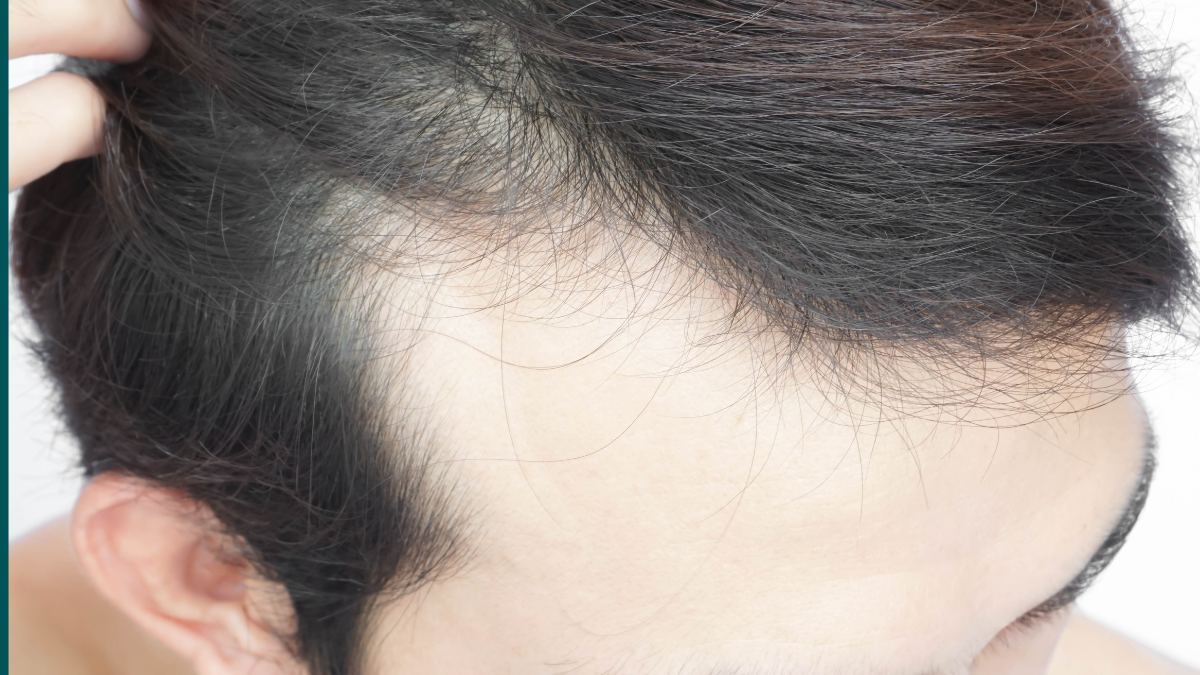
Most patients who come to me with hair loss have already tried everything. Different shampoos. Vitamin supplements. Expensive serums. And yet the hair keeps falling. The reason is almost always the same they are treating the symptom, not the trigger. Hair fall does not start at the scalp. It starts somewhere else in the body, and the scalp is simply where you see it.
In over two decades of treating hair loss patients, I have identified five triggers that are consistently missed, not because they are rare, but because they are internal, invisible, and require proper diagnosis to detect.
Thyroid Dysfunction
The thyroid gland controls your body’s metabolism, and every cell in your body responds to thyroid hormones, including your hair follicles. Both hypothyroidism (underactive thyroid) and hyperthyroidism (overactive thyroid) can cause significant hair loss. What makes this tricky is that you can have a thyroid imbalance that is not severe enough to show up in standard TSH tests, yet still severe enough to affect your hair growth cycle. If your hair fall started gradually and is accompanied by fatigue, weight changes, or feeling cold frequently, thyroid function needs to be investigated properly.
Iron Deficiency
Iron deficiency is one of the most common and most missed causes of hair loss, particularly in women. Iron is essential for the production of haemoglobin, which carries oxygen to your hair follicles. Without adequate iron, hair follicles essentially starve. The frustrating part is that you can be iron-deficient without being clinically anaemic. A normal haemoglobin level does not rule out low ferritin (stored iron). Always check serum ferritin specifically, this is the number that actually matters for hair health.
Stress Hormones
When you are under chronic stress, your body produces elevated levels of cortisol. High cortisol disrupts the hair growth cycle by pushing a large number of hair follicles into the resting phase simultaneously. This condition called telogen effluvium typically shows up two to three months after the stressful period, which is why people often fail to connect the hair loss to the stress that caused it. The hair fall appears long after the stress has passed, making it confusing and difficult to diagnose without taking a detailed patient history.
Scalp pH Imbalance
Your scalp has a natural pH of around 4.5 to 5.5, slightly acidic, and this acidity is what keeps the scalp environment healthy. It controls sebum production, keeps the scalp microbiome balanced, and allows the cuticle of the hair shaft to lie flat. Most commercial shampoos, even those marketed as gentle, are significantly more alkaline than this. Over time, repeated use disrupts the scalp’s acid mantle, leading to inflammation, dandruff, seborrheic dermatitis, and hair fall. This is a trigger that is almost never discussed but is surprisingly common.
DHT Sensitivity
Dihydrotestosterone, or DHT, is a hormone derived from testosterone. In people with a genetic sensitivity to DHT, this hormone binds to hair follicle receptors and progressively miniaturises them causing the hair to grow thinner and shorter with each cycle until the follicle stops producing hair entirely. This is the mechanism behind androgenic alopecia, commonly called pattern baldness. Both men and women can experience DHT-related hair loss, and in women it often appears as diffuse thinning across the crown rather than a receding hairline.
What This Means for Your Treatment
The reason standard hair loss treatments fail so many people is that they are applied without identifying which trigger is actually responsible. PRP therapy, nutritional supplements, and topical treatments can all be effective but only when used for the right cause. Before recommending any treatment, I spend considerable time mapping the patient’s complete picture hormonal status, nutritional profile, stress history, and scalp condition.
If your hair fall has not responded to treatment, the question is not whether treatment works. The question is whether the right trigger has been identified. That is where the conversation needs to start.