
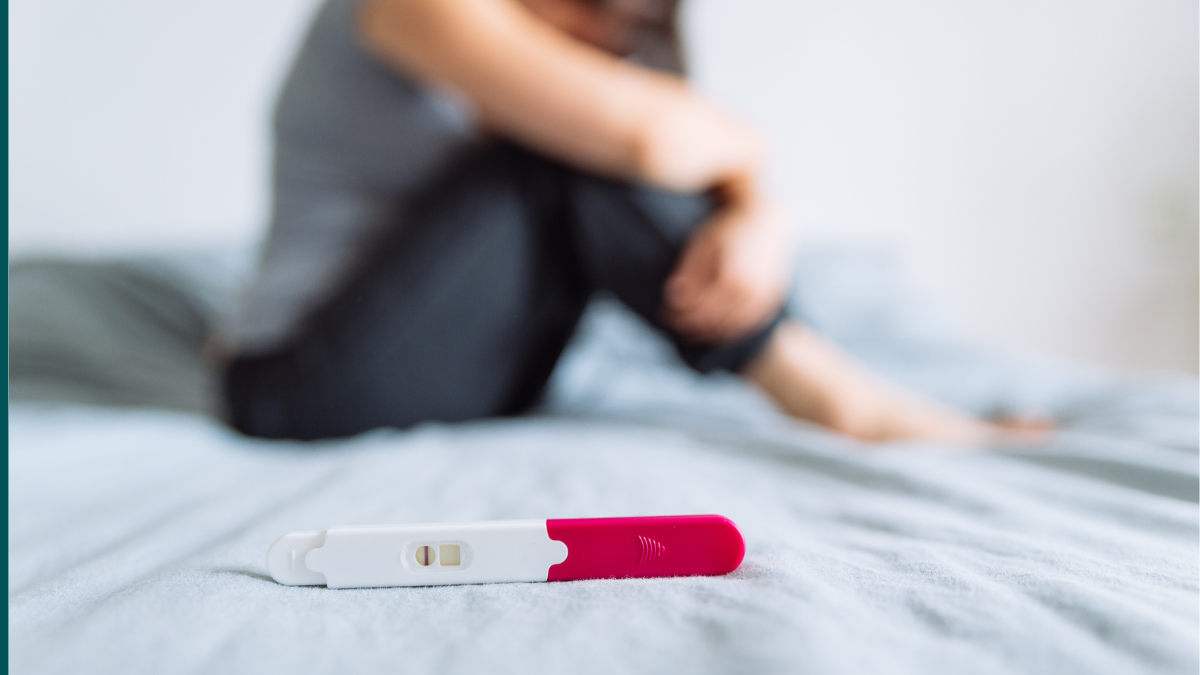
Polycystic Ovarian Disease – PCOD – is one of the most mismanaged conditions I encounter in my practice. Not because doctors do not know about it, but because the standard approach to PCOD is almost entirely symptom management. Irregular cycles get regulated with birth control pills. Acne gets treated with topical creams. Hair fall gets addressed with supplements. Each symptom is handled in isolation, and the actual cause is left completely untouched.
The result? Patients come off the pill and everything comes back within months. Sometimes worse than before.
What PCOD Actually Is
PCOD is fundamentally a hormonal and metabolic disorder. At its core, it involves insulin resistance, elevated androgens (male hormones), and a disrupted signalling system between the brain, the pituitary gland, and the ovaries. The ovaries produce follicles that do not mature properly, leading to cysts – but the cysts are a symptom of the underlying imbalance, not the cause.
This is a critical distinction. When treatment targets the cysts or the irregular cycle without addressing insulin resistance and hormonal signalling, nothing gets fixed. The cycle regulates artificially, but the moment that external regulation is removed, the body returns to its previous state.
Why Birth Control Pills Are Not a Treatment
I am not dismissing oral contraceptive pills. They have their clinical use cases. But they are being prescribed for PCOD at a scale that has nothing to do with contraception — they are being used to regulate cycles in patients who have no intention of avoiding pregnancy, simply because it produces visible results quickly.
What the pill does is impose a synthetic hormonal cycle on top of a broken natural one. It does not improve insulin sensitivity. It does not reduce androgen production. It does not restore ovulatory function. When a patient stops taking it, which she will, eventually the underlying dysfunction is exactly where it was. Often, extended pill use also depletes certain nutrients that are already commonly deficient in PCOD patients, making things worse over time.
The Root Cause Framework
Effective PCOD treatment has to address three things simultaneously insulin sensitivity, androgen levels, and the hypothalamic-pituitary-ovarian axis. This requires a comprehensive approach that combines metabolic correction, hormonal rebalancing, and addressing the specific constitutional triggers that vary from patient to patient.
In homeopathy, constitutional treatment looks at the individual as a whole not just the ovaries. Factors like chronic stress (which elevates cortisol, which in turn worsens insulin resistance), dietary patterns, inflammatory load, and genetic tendencies are all part of the picture. The treatment works with the body’s own regulatory mechanisms rather than overriding them.
What Patients Should Realistically Expect
Root cause treatment takes time. There is no version of this that produces results in two weeks. In my experience, meaningful hormonal improvement typically becomes visible over three to six months, with cycle regularity, skin improvement, and androgen-related hair loss all responding gradually as the underlying imbalance corrects.
The trade-off is that these results are lasting. Patients who complete proper constitutional treatment do not return the moment they stop medication because the medication was working with the body, not for it.
A Different Conversation About PCOD
If you have been managing PCOD for years with temporary solutions, the question worth asking is what is actually being treated? Regulating a cycle artificially is not the same as fixing what is breaking it. The conversation about root cause treatment is a longer one, but it is the only one that leads somewhere permanent.